

Amid the undulating terrain of Yorkshire, the ground beneath our footfalls conceals a trove of hidden knowledge waiting to be uncovered. GPR assessments, serve as a key tool for archaeological professionals, engineers, and environmental engineers as well, providing unparalleled perspective into what lies buried under. From the finding of hidden utility lines to charting unmarked graves in old churchyards, GPR surveys offer a gentle means to unearth our history while facilitating secure and efficient development in the present.
As urban growth and infrastructure projects persist to form the region, grasping the capabilities and uses of GPR techniques has never been more crucial. In this article, we will delve into the different aspects of GPR surveys in Yorkshire, exploring everything from locating non-metallic pipes to examining the structural integrity of cement structures. Whether you are a project manager, a heritage conservationist, or just someone fascinated by Yorkshire’s vibrant history, join us as we reveal the powerful insights that GPR surveys can deliver about our subterranean environment.
Grasping GPR Assessments in the Yorkshire region
Ground Penetrating Radar (GPR) studies are now an indispensable tool for the Yorkshire region for assessing underground conditions without the need for invasive excavation . visit site employs radar pulses in order to capture the underground allowing analysts to identify and chart features such as tubing, cables , and voids . This method is particularly beneficial for areas having a significant historical history , since it can reveal hidden artifacts and sites while avoiding disturbing the ground . For construction teams , adopting GPR technology reduces potential issues linked to underground utilities , providing a more accurate picture before commencing work.
In the Yorkshire region, the application of GPR is vital for diverse purposes, ranging from utility mapping and historical surveys to environmental evaluations and geological . Areas such as South Yorkshire and West Yorkshire, having their intricate geological features and historical developments, significantly advantage from this non-destructive method . By gaining PAS 128 Surveys Yorkshire into what is below the surface , planners and engineers in construction can make educated choices that enhance security and efficiency while mitigating potential disruptions resulting from unanticipated subsurface conditions .
The effectiveness of GPR in Yorkshire is influenced by the local geological composition, for example clay soils which may affect how deep signals can penetrate and the clarity of signals. Knowledge of the specific site conditions is key to optimizing surveying methods. As GPR technology evolves over time, its uses grow, offering important information to builders , archaeologists , and environmentalists alike. This blend of historical knowledge and modern techniques allows the Yorkshire region to maintain its cultural heritage while meeting modern construction needs .
Applications of Ground Penetrating Radar Tech
Ground Penetrating Radar (GPR) technology has a multitude of uses across various fields, making it an indispensable resource for professionals in Yorkshire. One of the primary uses of GPR is in utility location, where it helps find non-metallic pipes and cables before excavation. This application is particularly significant in construction and infrastructure initiatives, as accurately identifying underground services can avoid expensive damage and operation interruptions. GPR surveys are essential for adhering with national security standards, such as HSG47, ensuring that potential hazards from underground services are adequately managed.
Another notable use of GPR is in archaeological surveys and heritage conservation. In the Yorkshire area, GPR is deployed to scan grave plots, unmarked burials, and historical structures without disrupting the ground. This non-invasive method allows archaeologists to understand location conditions and historical context, contributing to the preservation of historical heritage. The ability to map subsurface features means that sensitive locations can be safeguarded while still performing thorough investigations.
GPR tech is also commonly used in geotechnical engineering investigations, including the evaluation of soil conditions for building projects. In regions with difficult terrain, such as those with clay soils typical in the Yorkshire area, GPR can provide information about subsurface voids, bedrock, and other geological features. This use aids construction professionals in making informed decisions about preparation of the site and foundation design, ultimately enhancing project safety and efficiency.
Pricing and Factors for Ground Penetrating Radar Surveys
While preparing a GPR survey in Yorkshire, understanding the pricing details is important. The expense of a Ground Penetrating Radar survey can differ widely based on variables such as location of the site, subsurface complexities, and the dimensions of the region to be surveyed. Usually, costs are determined on a by the linear meter or by the square meter basis, and additional charges may be necessary for subsequent processing and results analysis. It's important to secure comprehensive quotes from several contractors to guarantee you receive a reasonable and comprehensive list of costs.
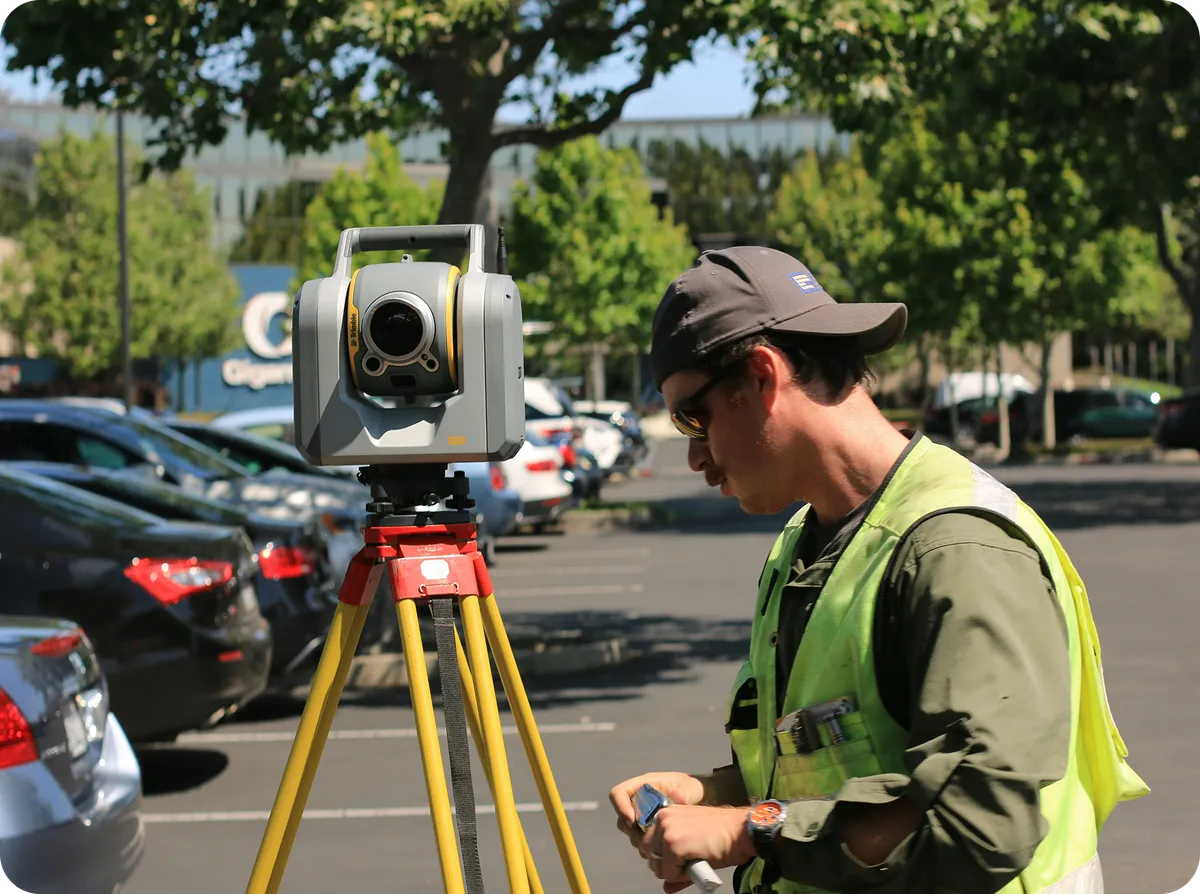
Along with financial considerations, various considerations should affect the determination to conduct a GPR survey. The kind of project, immediacy, and the possible hazards related to unidentified underground features are all vital factors to evaluate. For example, those involved in construction or excavation projects in city environments, featuring older utilities, should view GPR surveys as necessary to eliminate utility strikes and costly delays. The precision of GPR surveys in detecting non-metal utilities makes them particularly important in particular scenarios.
Finally, selecting a professional GPR survey specialist can significantly impact the overall effectiveness of the survey. It is crucial to ask potential contractors about their expertise, equipment, and approaches, as well as their knowledge with applicable laws such as PAS 128. Confirming that the contractor employs advanced technology and provides clear deliverables will contribute to a effective survey conclusion. By taking into account these factors, you can render educated decisions that harmonize financial outlay with the need for accurate and trustworthy underground mapping.