

In the flowing hills and diverse landscapes of the Yorkshire region, the significance of comprehending what lies below the surface cannot be overstated. Ground Penetrating Radar, or GPR, has emerged as a critical tool for archaeological experts, construction experts, and ecologists alike, offering a non-destructive method to examine subsurface conditions. If you are planning a new development, reviewing historical sites, or conducting utility mapping, a GPR survey can deliver crucial insights into what is hidden below.
As the requirement for enhanced and more efficient excavations increases, cutting-edge GPR survey approaches are being modified to meet the particular challenges arising by Yorkshire's distinct terrain. From locating the positions of non-conductive pipes and cables to locating neglected mine shafts and structural voids, the uses of GPR are extensive and diverse. This article will delve into the multiple aspects of GPR surveys in Yorkshire, examining the procedures used, conformance with professional standards, and the significant advantages they offer for construction and environmental projects.
Comprehending Ground Penetrating Radar Surveys in Yorkshire
Ground Penetrating Radar is a cutting-edge technique used to examine subsurface characteristics without the need for excavation. In York, it is widely adopted by developers, archaeologists, and environmental specialists to discover concealed elements such as utility lines, structural elements, and gaps. By emitting high-frequency radio waves into the ground and examining the bounced back waves, GPR can deliver clear visuals of what lies beneath the surface, providing critical information for various projects.
One of the key factors of implementing GPR in the Yorkshire area is understanding when to deploy this technology. It is particularly essential in urban areas where existing service records may be inaccurate. By performing a GPR survey, construction teams can locate the positions of subsurface pipelines, cables, and further buried infrastructure before digging, significantly lowering the risk of utility hits. Additionally, GPR is advantageous for historical examinations, facilitating the mapping of historic elements without disrupting the site.
The efficacy of GPR in Yorkshire is determined by various elements including soil composition and moisture levels. Yorkshire’s clay soils can impact radar penetration depth, therefore necessitating for surveyors to be familiar with local geology. By integrating GPR results with alternative mapping techniques, such as EM locating or land surveys, professionals can obtain a comprehensive picture of the subsurface environment. This comprehensive strategy not only enhances the precision of the results obtained but also helps in compliance with local and national standards for utility surveying and site safety.
Uses of GPR Technology
Ground Penetrating Radar (GPR) technology has various applications in a range of disciplines, particularly within construction and the engineering industry. In Yorkshire, GPR assessments are crucial for utility mapping, allowing contractors to find and pinpoint non-metallic pipes and cables before excavation. This capability significantly reduces the risk of damaging utilities during construction activities, promoting safety and and efficiency on site. The ability to see subsurface structures before digging makes GPR an indispensable tool for any building venture in the area.
In the realm of environmental studies, GPR is increasingly used to detect disused mine shafts and underground cavities, which are common in South and West Yorkshire. PAS 128 Surveys Middlesbrough Yorkshire offers a non-intrusive method to map these potential dangers, safeguarding site workers and improving compliance with regulatory safety requirements. Moreover, GPR assists in the assessment of brownfield sites, allowing for the mapping of unnoticed culverts, chambers, and storage tanks, which is crucial for comprehensive site evaluations and planning.
Archaeology is yet another domain where GPR proves extremely useful, particularly in North Yorkshire, where heritage and listed sites abound. GPR inspections assist archaeologists in identifying grave plots and unknown burials, allowing them to preserve historical contexts while minimizing disturbance to the ground. As GPR technology develops, its application in Yorkshire will probably expand further, providing creative solutions to complex challenges faced in multiple fields.
Cost and Preparation for Ground Penetrating Radar Investigations
When considering a GPR survey in the Yorkshire region, understanding the cost factors involved is crucial for effective project budgeting. The expense of a GPR survey can vary greatly based on several elements, including the extent of the location being surveyed, the intricacy of the site, and the particular objectives of the survey. On average, customers can expect to invest in a few hundred to numerous thousand pounds, contingent on the depth and detail of the study required. Collecting multiple quotes from qualified contractors can help establish a realistic budget and ensure that the best service is received.
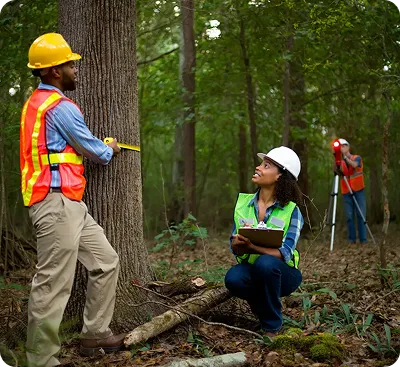
Planning is a vital component of a effective GPR survey. Before the survey commences, it is imperative to assess the site thoroughly and collect existing service maps and site information. This organization allows for a targeted approach, saving time and resources during the GPR survey. Furthermore, engaging with local authorities and stakeholders can help streamline the survey process and lessen any potential interruptions. Clear communication regarding the site’s history will assist surveyors in tailoring their techniques to produce best results.
Lastly, subsequent planning is just as important to maximize the usefulness of GPR findings. Topographical Surveys Yorkshire gathered needs to be understood accurately to inform restoration, construction, or maintenance efforts. By blending GPR Surveys Yorkshire with existing terrain information and utilizing appropriate software, planners can create detailed maps and models that guide subsequent actions. Additionally, stakeholders should consider how GPR insights can inform risk assessments and improve safety measures throughout the project lifecycle.