

Lately, Ground Penetrating Radar, or GPR, is now a pivotal technology in the realm of subsurface investigation, particularly in regions like Yorkshire. This non-destructive method allows land surveyors, construction experts, and archaeological professionals to delve beneath the surface without the need for large-scale excavation. As city development and land management in Yorkshire continue to expand, grasping and utilizing GPR technology becomes increasingly essential.
GPR surveys not only facilitate the mapping of beneath-ground infrastructures but also play a critical role in heritage preservation and environmental evaluations. From locating unrecorded drainage systems and disused mine shafts to ensuring compliance with safety standards on construction sites, GPR offers a sophisticated means of uncovering concealed histories beneath our feet. As we explore the various applications and advantages of GPR technology in Yorkshire, we will uncover how it shapes our understanding of the land we walk on and helps avoid costly surprises during excavation projects.
Understanding Ground Penetrating Radar along with Its Implementations in the Yorkshire region
Ground Penetrating Radar (GPR) is a technology is a non-invasive method that utilizes electromagnetic pulses to visualize the subsurface. In the Yorkshire area, GPR has emerged as an indispensable tool for multiple uses, from utility mapping to surveys of archaeological sites. By transmitting high-frequency electromagnetic waves into the soil, GPR captures the reflections returned by various substances, which allows field specialists to produce detailed images of that is buried underneath. This technology provides a secure and timely way to examine subsurface conditions without the need for earth removal.
In the construction and engineering sectors, GPR is particularly valuable for identifying non-metallic pipes and cables, which commonly go overlooked with traditional methods. GPR Surveys Yorkshire in this area employ GPR to prevent expensive utility strikes before digging begin, ensuring adherence with safety standards such as HSG47. Additionally, GPR surveys can detect features like old mine shafts and subsurface voids, vital details that helps lessen risks on construction sites across South and West Yorkshire.
Archaeological applications of GPR are also noteworthy in Yorkshire, where the conservation of heritage is a main concern. By charting gravestones and unmarked burials in historic churchyards or locating historical structures in sites of archaeological interest, GPR facilitates archaeological researchers to gather data while minimizing disturbance to the ground. This twofold application of GPR in current construction and historical preservation demonstrates its versatility and importance in overseeing the abundant underground resources of Yorkshire responsibly.
Comparing GPR to Alternative Detection Methods
GPR is a powerful tool for subsurface exploration, but it can be complemented by additional detection techniques to enhance the precision of underground utility identification. EM locating represents one such approach that is frequently utilized in conjunction with ground penetrating radar. While electromagnetic locating is efficient at detecting metallic utilities by detecting the electromagnetic field they produce, it has shortcomings when it pertains to non-metallic pipes and cables. By merging ground penetrating radar with EM, surveyors can achieve a broader insight of the underground landscape, enabling for better planning and reduced risk of damage during excavation projects.
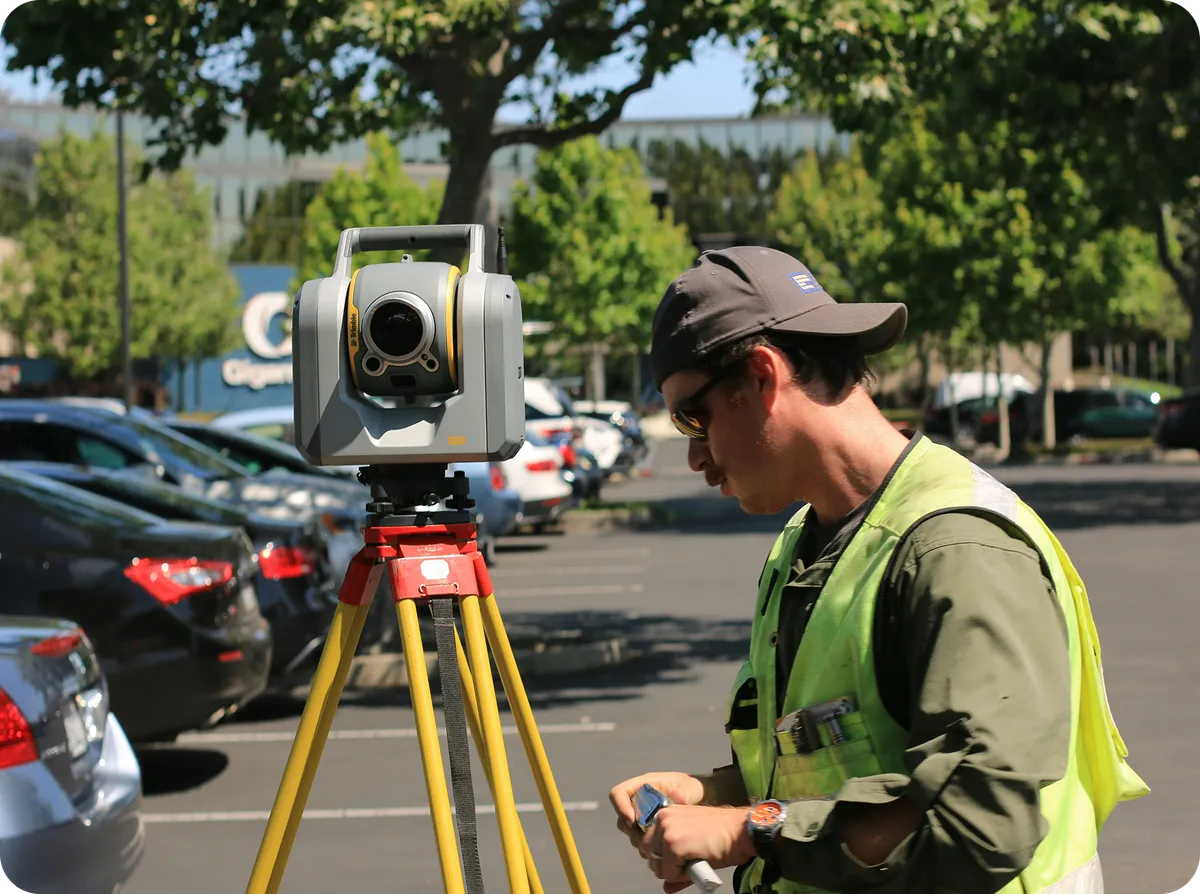
A further notable method is the use of conventional survey practices, which often rely on current utility maps and drawings. Nonetheless, these maps may often be outdated or incorrect. Ground Penetrating Radar offers an edge by providing a real-time view of the underground conditions, enabling surveyors to identify features that may not be captured in traditional utility databases. This renders GPR particularly critical on sites with a complicated past or where records are limited, such as brownfield sites or older urban areas in Yorkshire.
Lastly, physical probing or excavation techniques are alternatively alternative for identifying underground structures. While these methods can be effective, they can also be slow, invasive, and potentially damaging to current utilities. GPR offers a non-invasive method that can quickly and effectively map the subsurface, enabling for more targeted excavation when needed. This not just minimizes the interference to the site but also assists in preserving the integrity of existing infrastructure, making GPR a preferred choice for numerous construction and engineering projects in the Yorkshire region. ### Key Aspects for GPR Surveys in Building Projects
When planning a Ground Penetrating Radar survey for construction projects in Yorkshire, several practical considerations need to be taken into account. First, it is vital to evaluate site accessibility. GPR equipment is often mobile yet may require specific locations for optimal readings. Ensure that survey area is clear of obstacles and that any necessary approvals for equipment usage on private or public property are secured. This will help avoid potential delays in the surveying process.
Another important factor is understanding the local geology and soil conditions. Yorkshire's varied landscape, particularly the presence of clay soils, can significantly affect GPR penetration depth and the clarity of the results. Surveyors must evaluate these aspects prior to conducting the survey to adjust their methodology accordingly. The time of year can also impact soil moisture levels, affecting the survey's effectiveness, so it is wise to plan the scheduling based on these conditions.
In conclusion, it is essential to maintain clear communication with all parties involved in the construction project. Engaging with Topographic Surveys Halifax Yorkshire and construction teams ensures that all stakeholders understand the GPR survey's goals, expected outcomes, and limitations. Regular updates can help incorporate the findings into the broader project plan, preventing unexpected issues during the excavation phase. Clear communication plays a key role in ensuring the safety and efficiency of the construction process.